
About this piece
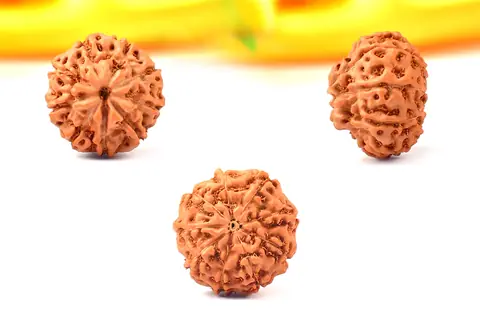
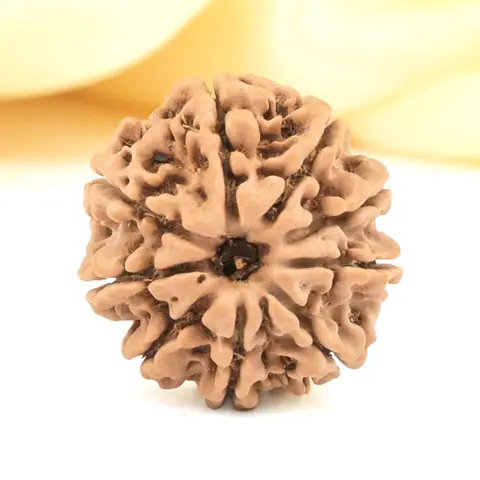
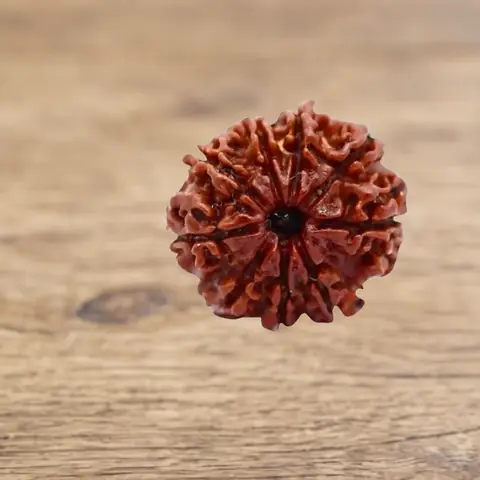
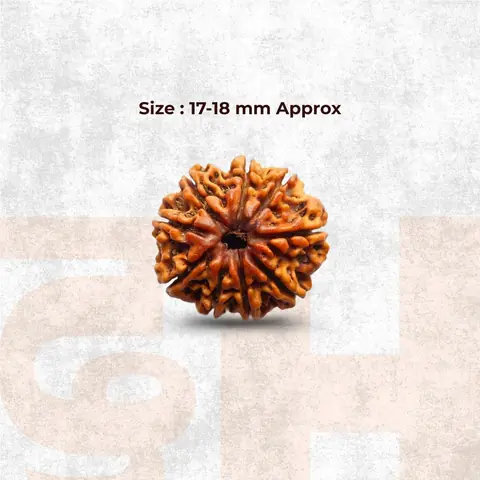
A nine mukhi rudraksha has nine natural faces. The seller lists this one, in its Indonesian option, at about 17 to 18 mm and says it is lab tested and certified.
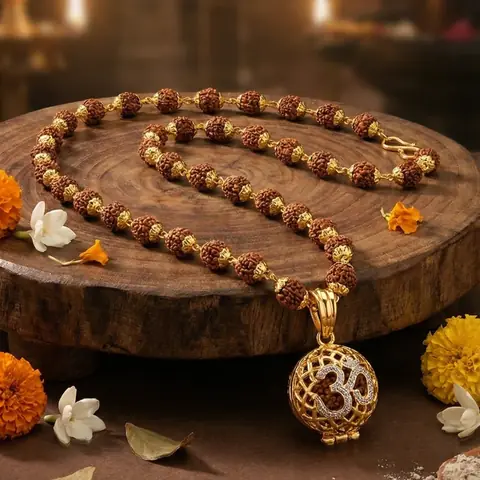
The photos show a deep red brown bead with nine lines, on a wooden surface and on a pale ground. The same page also offers a Nepali bead at a different price, so check the option you select.
How it is used
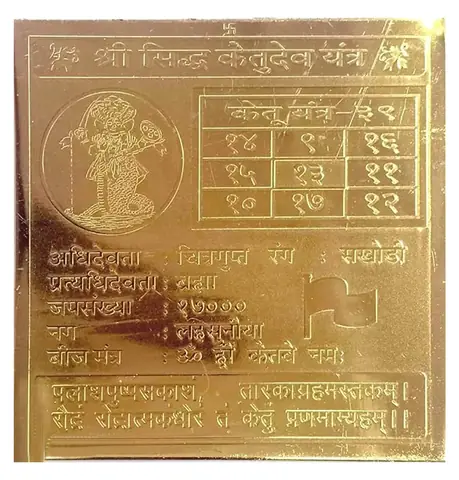
Rudraksha beads are traditionally strung on a cord or set in a pendant, or kept on a home altar. The seller lists the traditional mantra Om Hreem Hoom Namah, and says the listed practice is 108 repetitions daily. The Shiva Purana (Vidyeshvara Samhita 25, verses 74 to 75) names Bhairava, the sage Kapila and Durga in her nine forms for the nine-faced bead. Astrologers today pair this bead with Ketu; the pairing is a later convention, not a statement of the Purana, and it is the one this site uses in its rudraksha guide and free kundali.
Looking after it
- The seller advises protecting the bead from knocks.
- Keep it away from loose keys and coins in a pocket, which can chip the surface.