About this piece
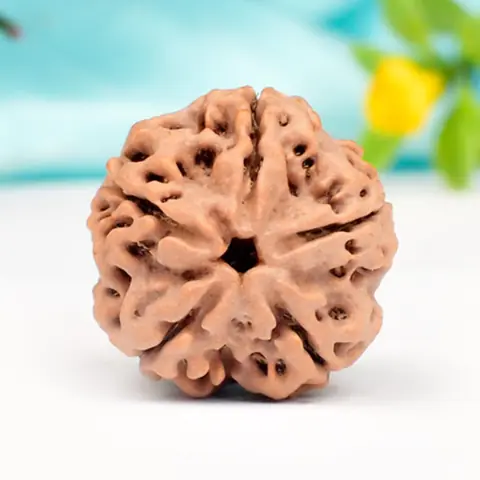
A five mukhi rudraksha has five natural faces and is the most familiar form. The seller lists this one as a Nepali bead of about 17 mm.
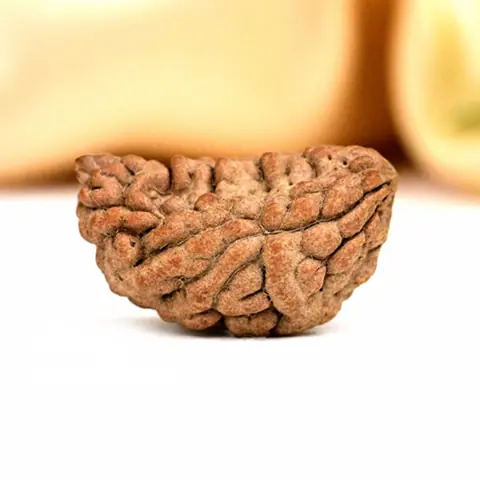
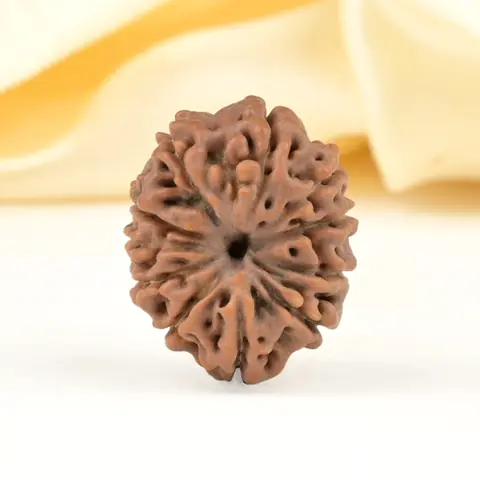
The seller says it is lab tested and certified and links a certificate from the page, though the product title does not say so. The photo shows a round, reddish brown bead with five lines on a wooden surface.
How it is used
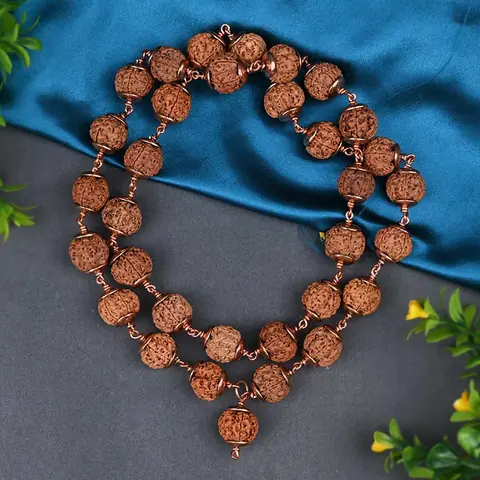
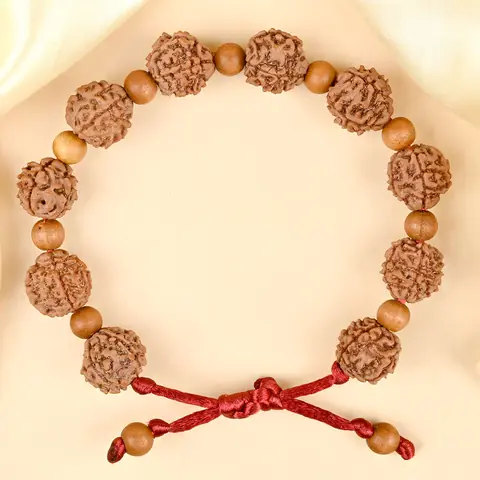
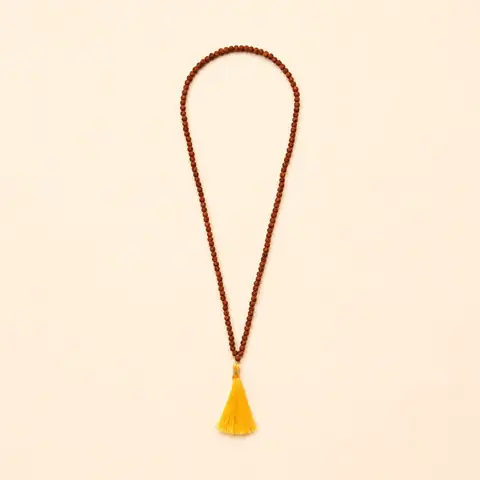
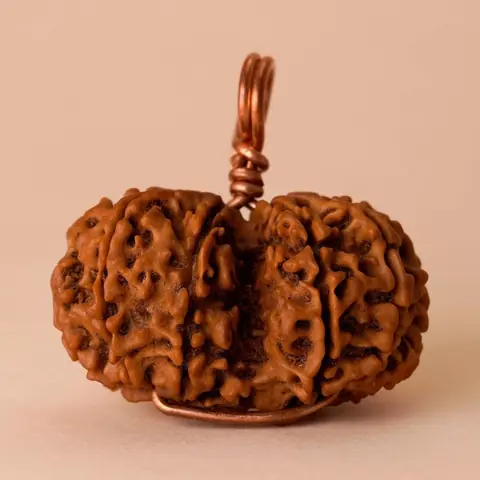
Rudraksha beads are traditionally strung on a cord or set in a pendant, or kept on a home altar. The seller says the five faces traditionally stand for earth, water, fire, air and ether. The Shiva Purana (Vidyeshvara Samhita 25, verses 69 to 70) calls the five-faced bead Rudra himself, named Kalagni. Astrologers today pair this bead with Jupiter (Guru); the pairing is a later convention, not a statement of the Purana, and it is the one this site uses in its rudraksha guide and free kundali.
Looking after it
- The seller advises storing the bead dry and away from salt, and avoiding saline residue on the husk.